14 Low-Maintenance Garden Ideas That Save Time and Water
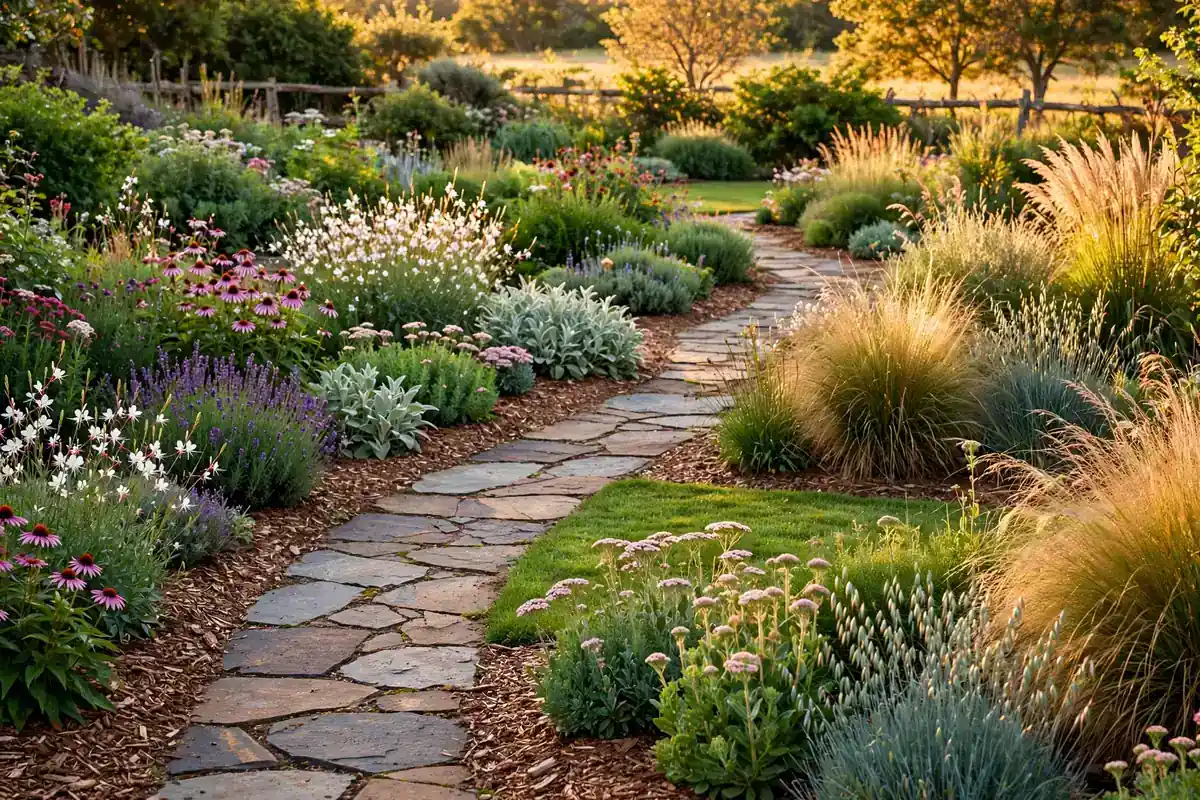
A beautiful garden should not demand every spare hour of your weekend or send your water bill climbing all summer. The secret to an easy-care yard is not working harder; it is designing smarter from the start. When you choose the right plants, water only where it counts, and let hardworking materials do the heavy lifting, a garden nearly takes care of itself. The ideas below are the same strategies landscape designers lean on for 2026 and 2027 plantings: drought-tolerant planting, efficient irrigation, and surfaces that never need mowing. Pick three or four to start, and you will feel the difference within a single season.
1. Choose Drought-Tolerant Plants
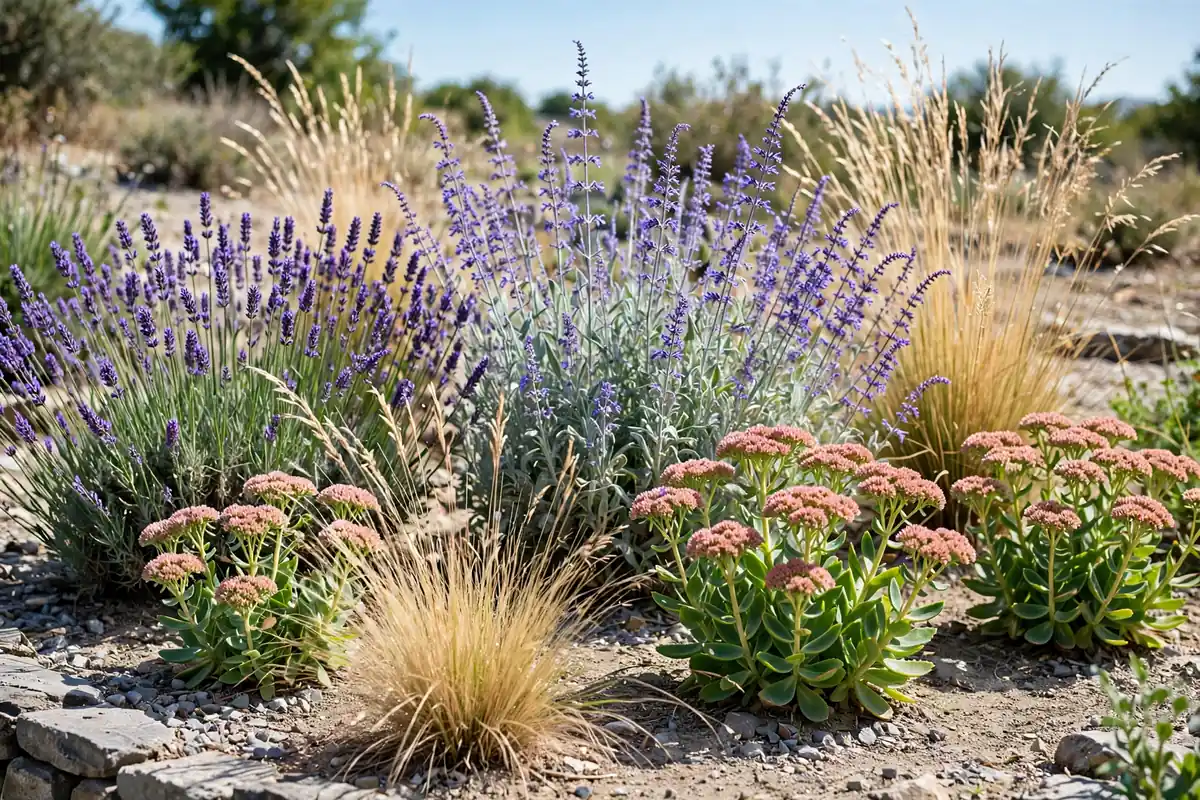
Plants that evolved in dry climates are the backbone of any low-maintenance garden. Lavender, Russian sage, sedum, yarrow, ornamental grasses, and coneflower all store water in their leaves or roots and keep blooming through hot, rainless stretches that would finish thirstier flowers. Group them together in your sunniest beds so one deep watering a week is plenty once they are established. Most drought-tolerant perennials actually resent rich soil and frequent watering, which means less feeding, less fussing, and fewer losses. Start with a short list suited to your zone, plant in autumn or early spring, and let their toughness do the work.
2. Mulch Every Bed Generously
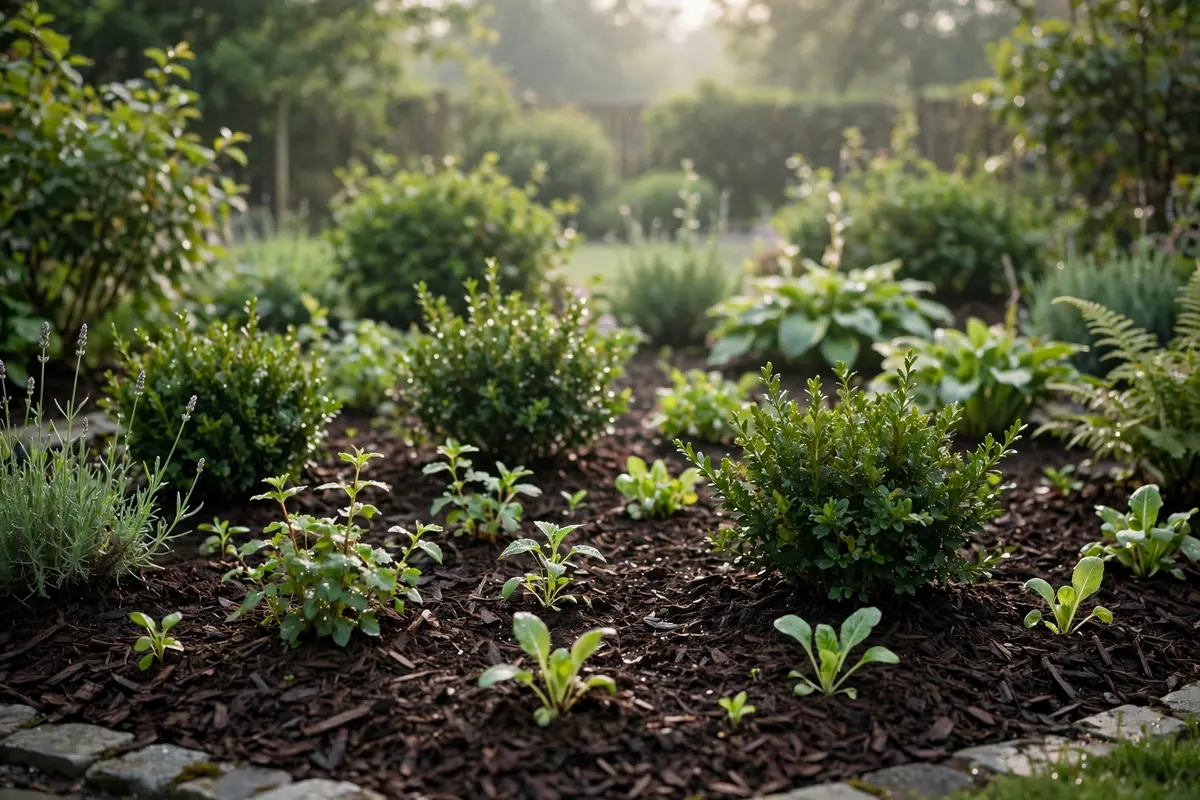
A three-inch layer of mulch is the single cheapest labor-saver in gardening. It locks moisture into the soil, cutting watering needs by a third or more, while smothering weed seeds that would otherwise keep you busy all season. Bark chips, shredded leaves, and straw all work; bark lasts longest and looks neat for a full year. Keep mulch a few inches away from stems and trunks to prevent rot, and top it up each spring as it breaks down. That slow decomposition also feeds the soil, so plants grow stronger with zero extra fertilizing.
3. Install Drip Irrigation
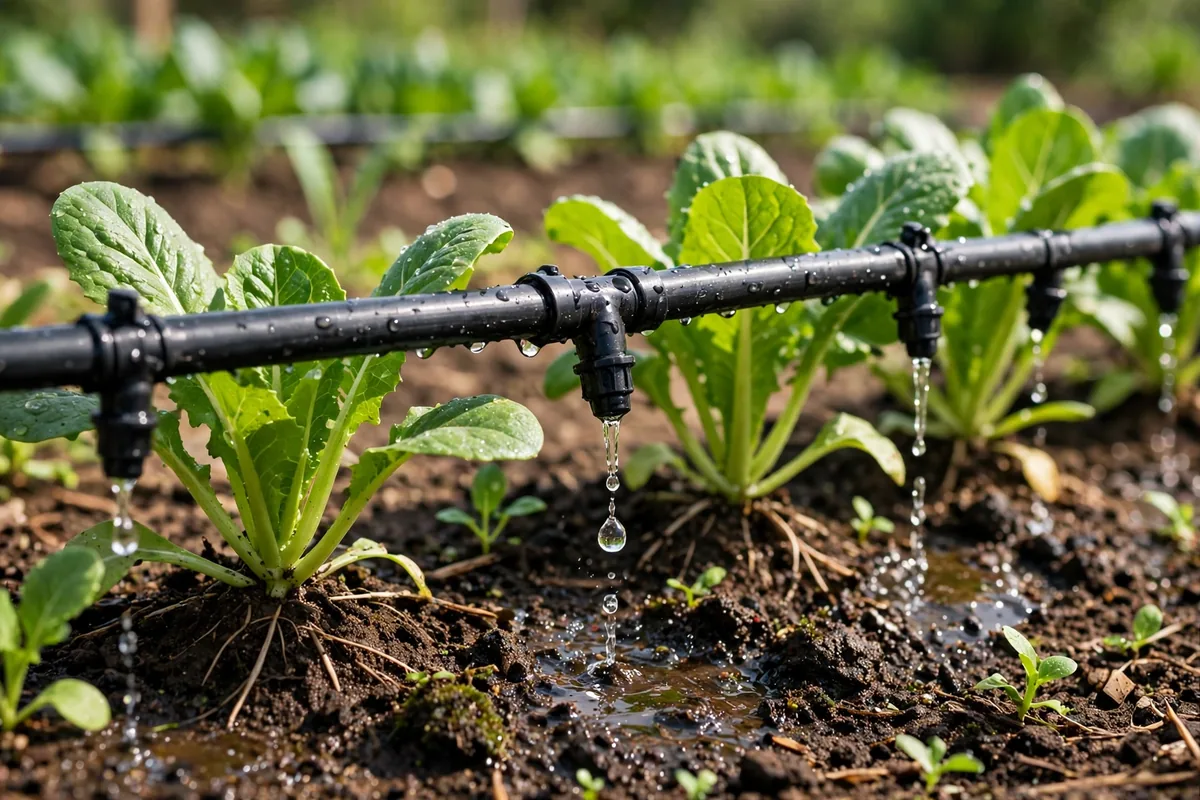
Overhead sprinklers waste astonishing amounts of water to wind and evaporation, and they wet foliage, which invites disease. Drip irrigation delivers water slowly, right at the root zone, so almost every drop ends up where the plant needs it. A basic kit with a filter, main line, and emitters costs little and connects to an outdoor tap in an afternoon. Run it early in the morning, two or three times a week, adjusting emitters as plants grow. Because the soil surface between plants stays drier, weeds get less encouragement too: one system quietly solves two chores.
4. Go Native with Local Plants
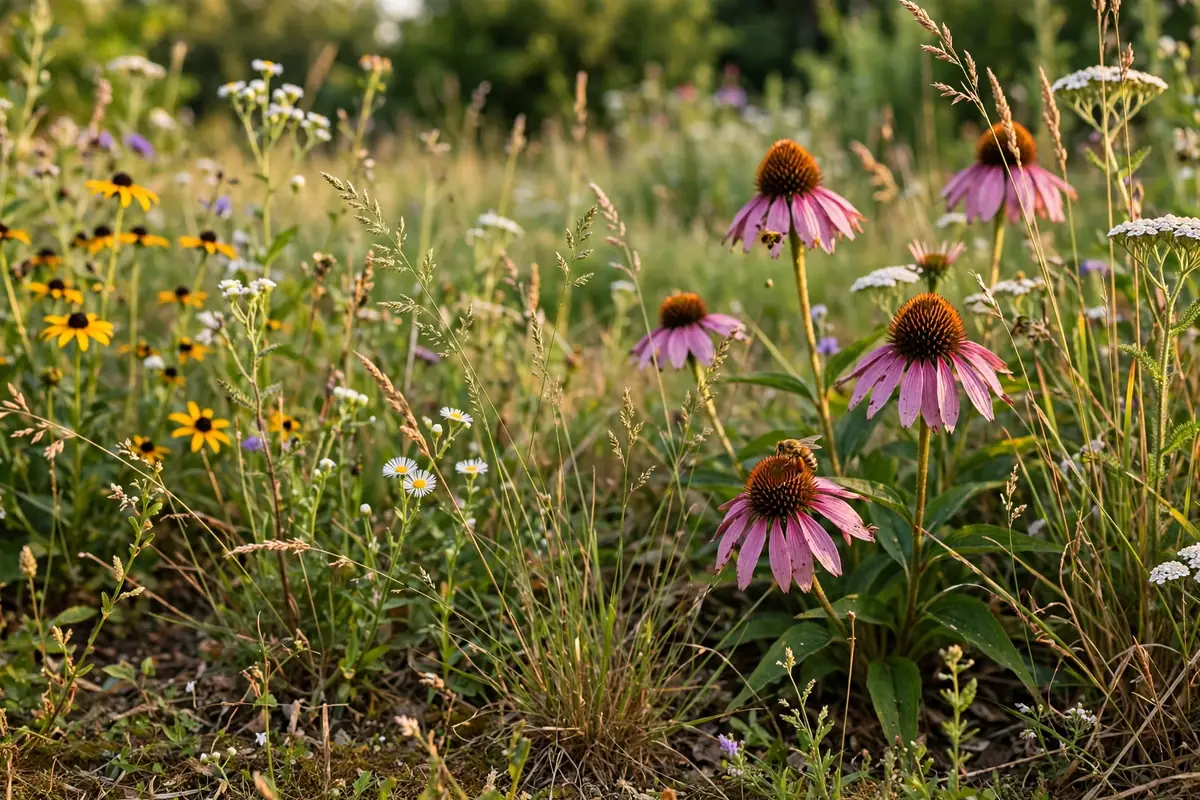
Native plants are already adapted to your rainfall, soil, and temperature swings, so they ask for almost nothing once settled. A native oak, serviceberry, or coneflower evolved alongside local insects and birds, which means it also supports pollinators that exotic ornamentals cannot feed. Because they match the local climate, they rarely need fertilizer, winter protection, or pest sprays. Replace struggling imports one bed at a time rather than replanting everything at once. Your local extension service can suggest species for your exact conditions, and many garden centers now label natives clearly.
5. Build Perennial Beds That Return Every Year
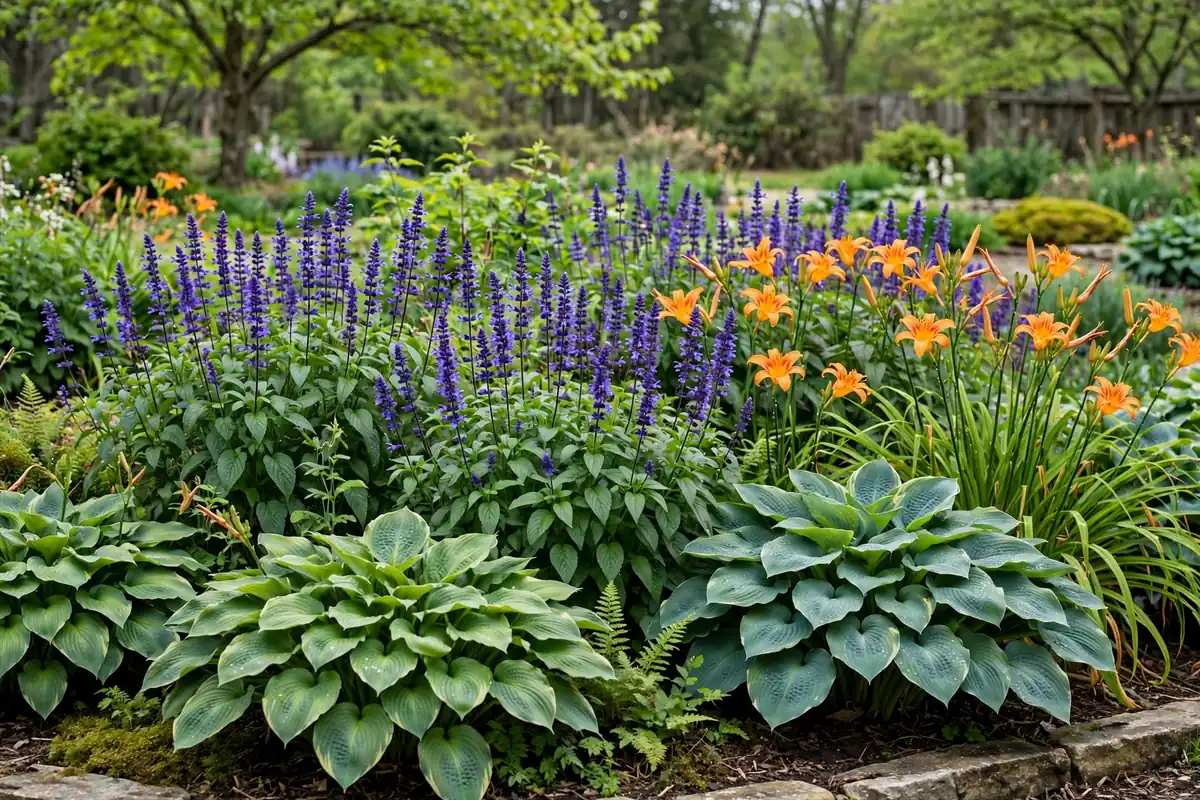
Annuals are lovely but demanding: they must be bought, planted, watered, and replaced every season. Perennials flip that equation. Hostas, daylilies, peonies, salvia, and hardy geraniums return bigger each spring from the same rootstock, asking only for a spring tidy and an occasional division every few years. They cost more per plant at the nursery, but spread over five or ten years they are far cheaper than annual bedding. Fill beds densely so mature foliage shades the soil, which suppresses weeds and holds moisture. Within two seasons a well-planned perennial border becomes one of the least demanding parts of the yard.
6. Try a Gravel or Rock Garden
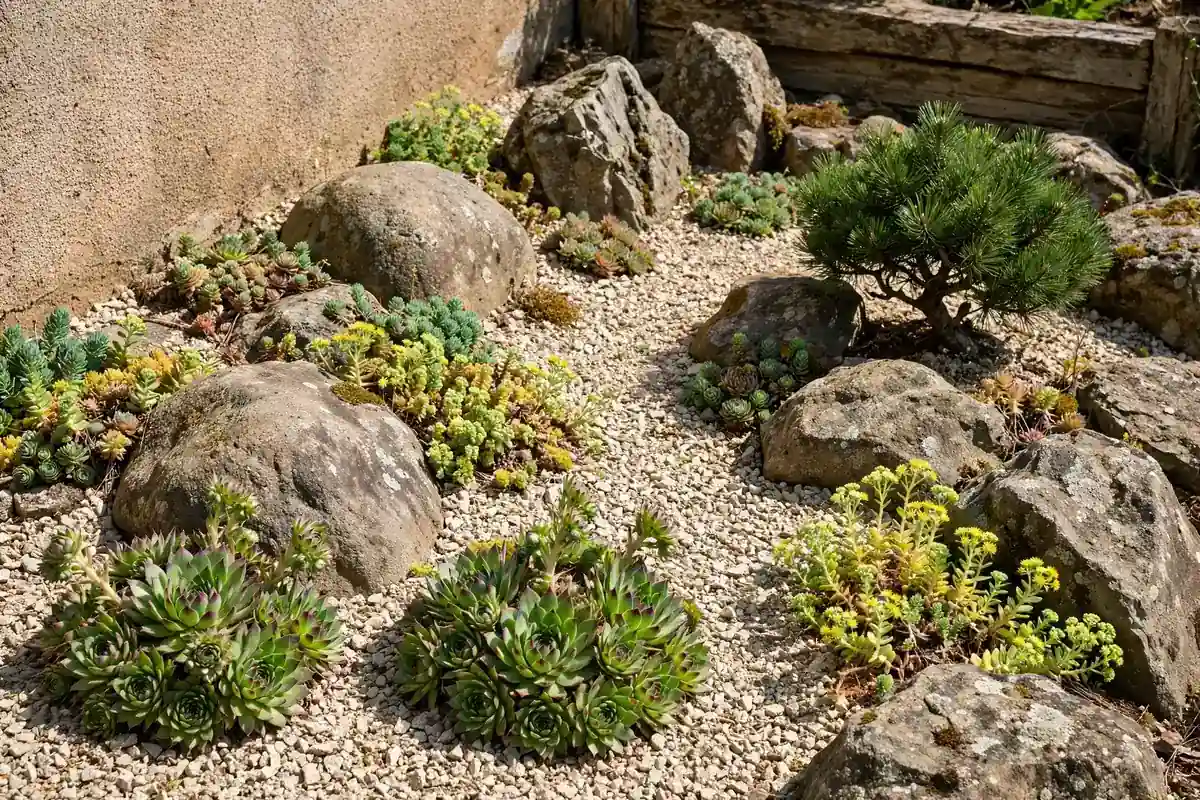
The driest, sunniest corner of your yard, where grass sulks and flowers scorch, is perfect for a gravel garden. A deep layer of gravel over landscape fabric stops weeds, drains instantly, and never needs watering, feeding, or mowing. Tuck alpines, sedums, hens-and-chicks, and dwarf conifers between boulders for a sculptural look that stays handsome year-round. It pairs beautifully with the relaxed, timeworn planting style celebrated in shabby chic decor ideas, where weathered stone and soft planting do the decorating. Edge the gravel neatly with steel or stone so it stays crisp rather than wandering into paths.
7. Use Raised Beds for Control
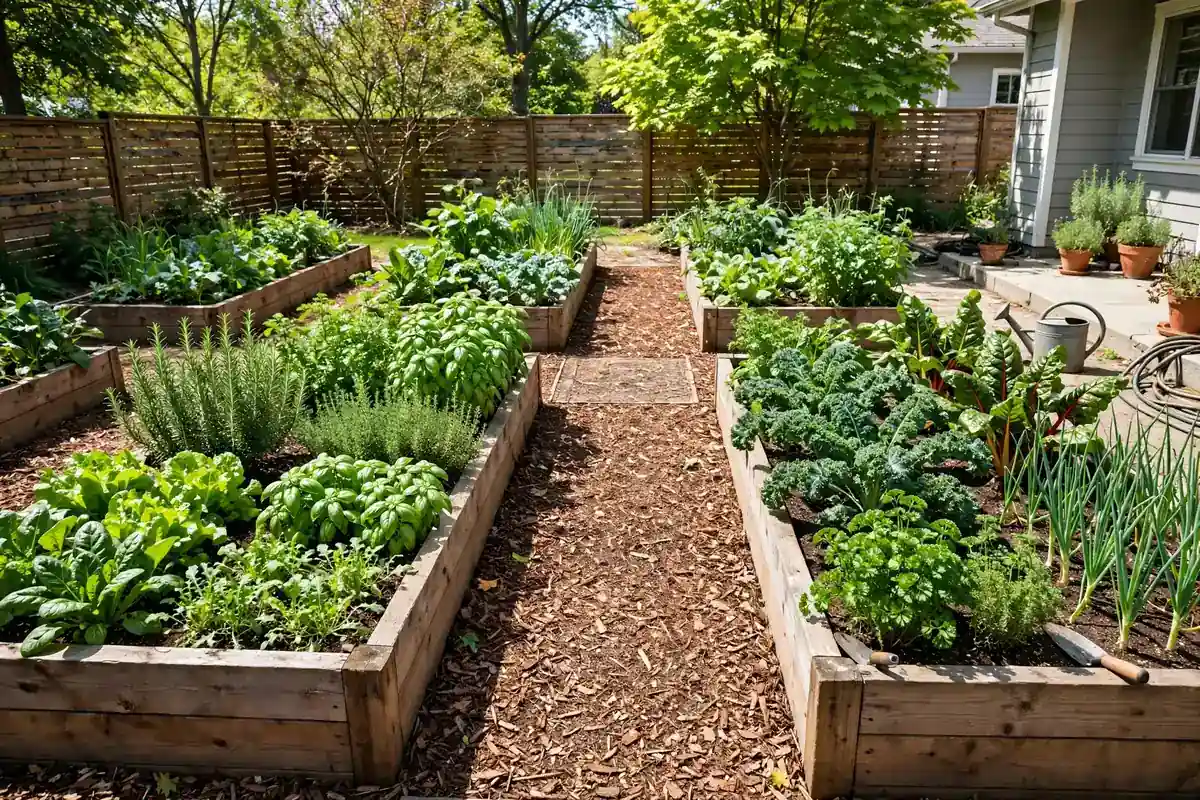
Raised beds shrink gardening down to a manageable scale. Because you fill them with good soil from the start, you skip years of amending poor ground, and the defined edges mean weeds creep in far more slowly. Raised soil drains well and warms earlier in spring, which suits vegetables and herbs perfectly. The higher working height is kinder on knees and backs, and drip lines or soaker hoses fit neatly along each bed. Build them no wider than four feet so you can reach the center without stepping on the soil, and mulch the paths between beds to eliminate muddy, weedy walkways.
8. Swap Lawn for Ground Covers
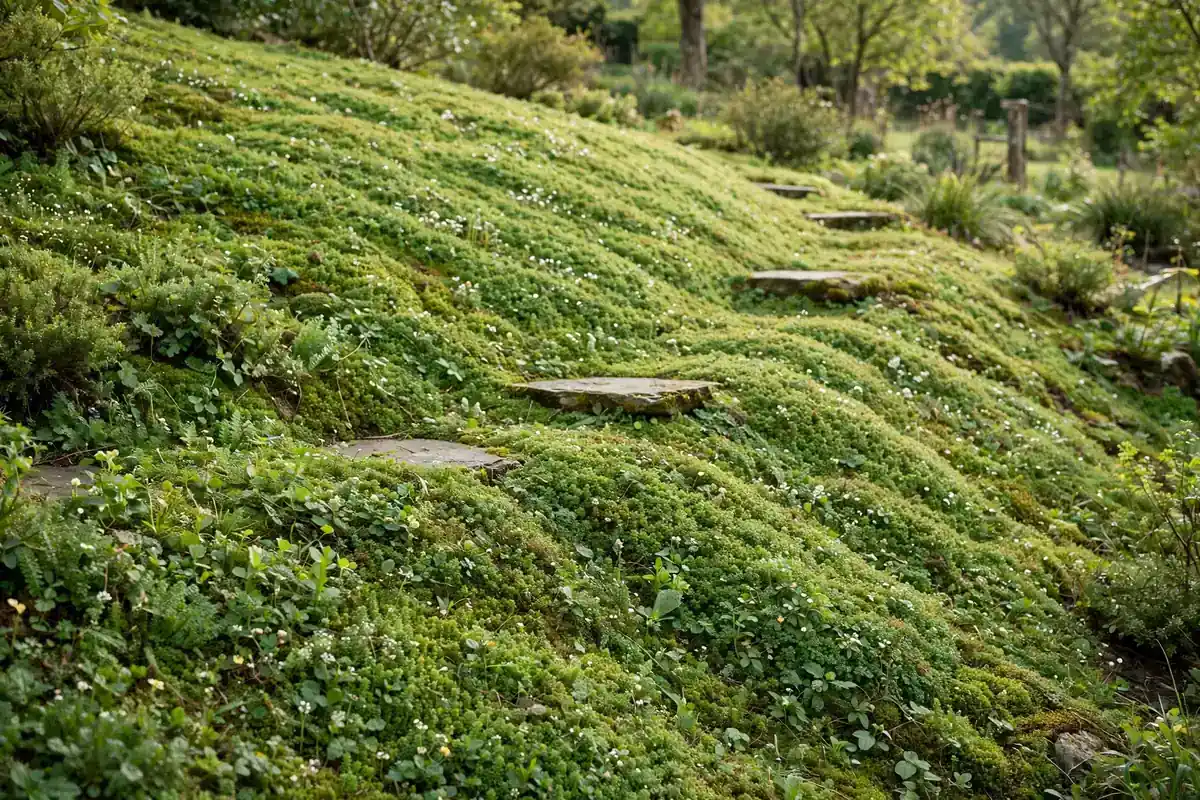
Every square foot of lawn you replace is a square foot you never mow, edge, feed, or reseed again. Low ground covers such as creeping thyme, sedum, clover, and liriope form dense living carpets that choke out weeds on their own. Creeping thyme even releases fragrance when stepped on and needs no mowing at all, while clover stays green in drought and fixes nitrogen in the soil for free. Start with awkward areas: steep slopes, narrow side yards, and the dry shade under trees where grass always fails. Within a season or two the covers knit together into a surface that largely looks after itself.
9. Harvest Rain with Rain Barrels
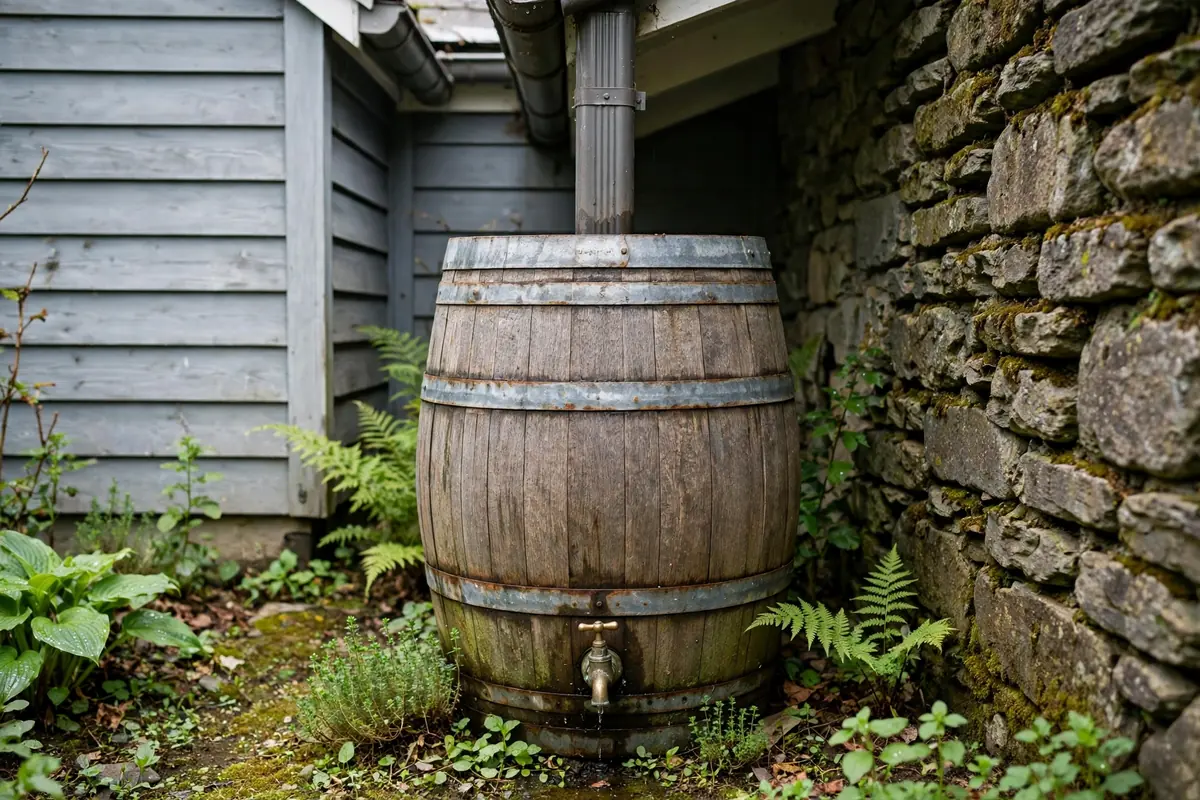
A single inch of rain on an average roof yields hundreds of gallons of free water, and a rain barrel under one downspout captures it for the dry weeks ahead. Plants actually prefer rainwater, which is free of the chlorine and salts in tap water, and your utility bill will notice the difference too. Fit a screen against mosquitoes and debris, raise the barrel on blocks so a can fits under the tap, and link two barrels together for larger roofs. Use the stored water first for containers, new plantings, and vegetable beds, the thirstiest spots in most gardens.
10. Add Smart Timers and Controllers
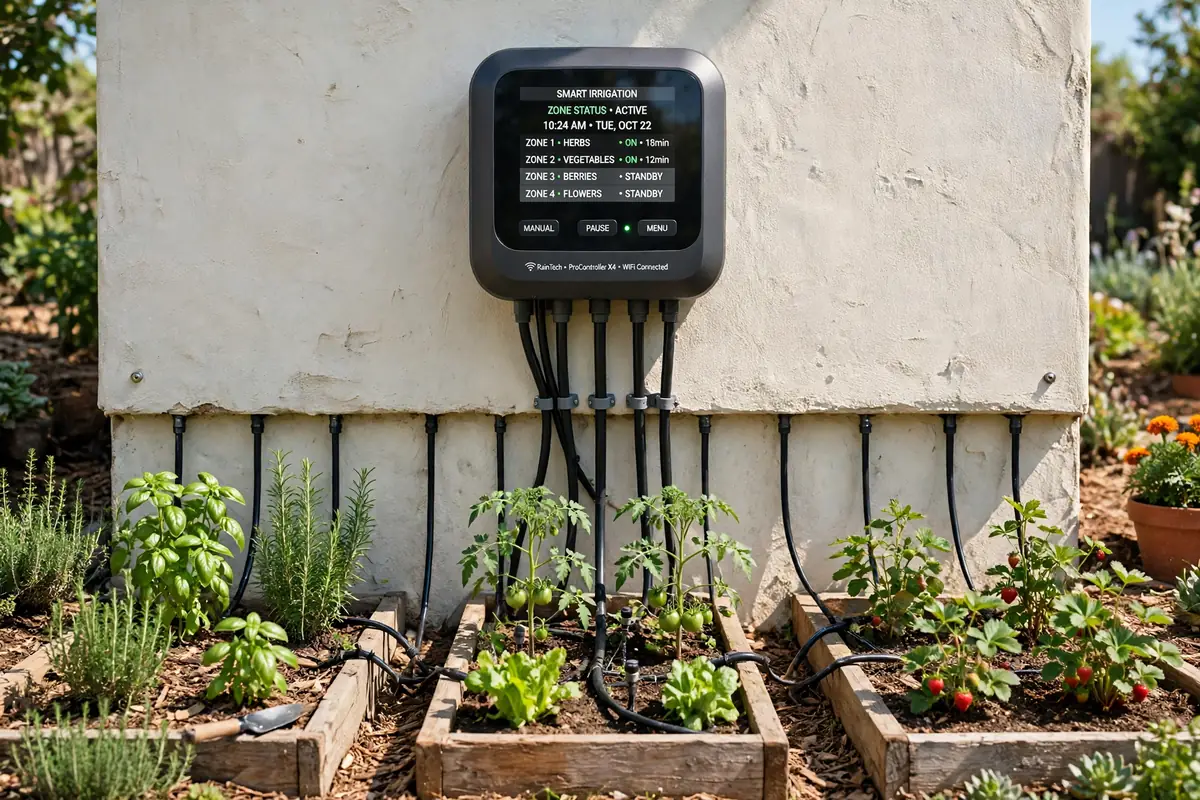
The most common watering mistake is forgetting, or watering on a fixed schedule while rain is falling. A smart irrigation controller fixes both problems by checking local weather and soil conditions, then watering only when plants genuinely need it. Many models cut outdoor water use by twenty to thirty percent and send alerts if a line leaks or a valve fails. Pair one with your drip system and raised beds and the whole garden effectively waters itself while you are on holiday. Even a simple battery tap timer is a huge upgrade over dragging hoses around by hand.
11. Add Hardscaping Paths and Patios
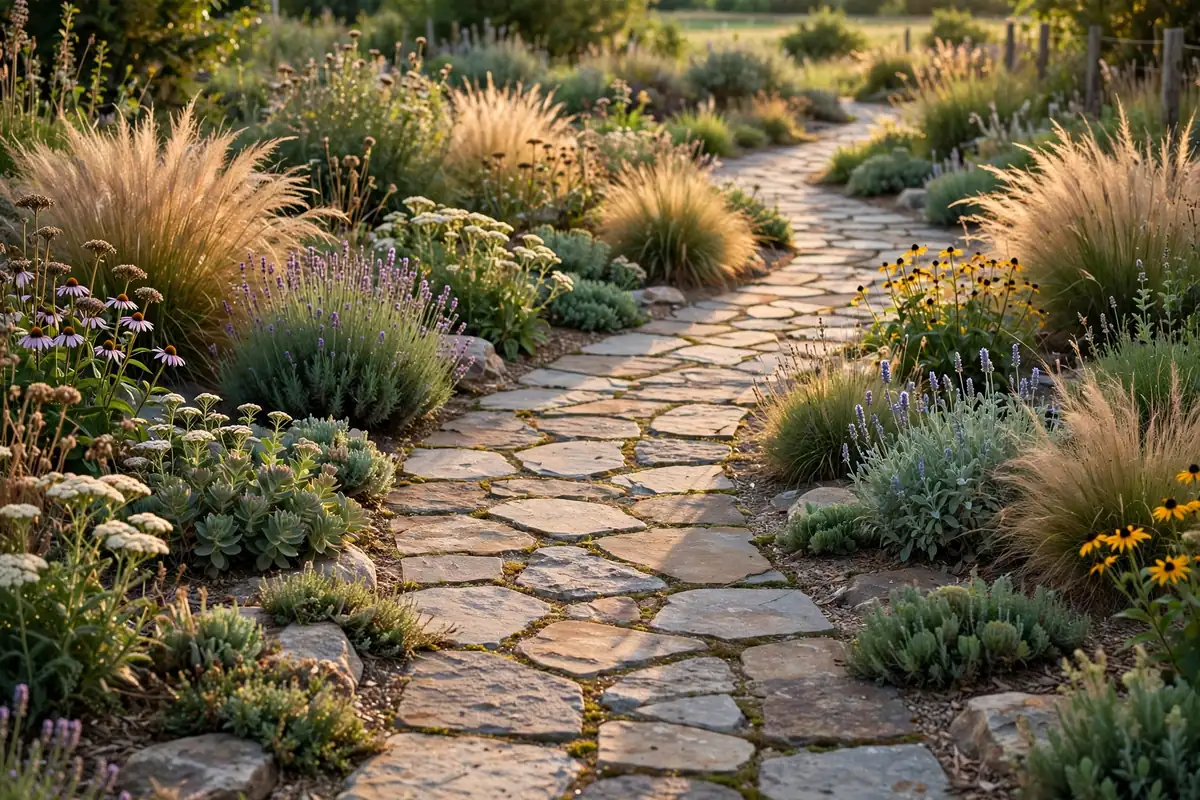
Stone, pavers, and decking never need watering, feeding, or trimming, so every path and patio you add permanently shrinks the planted area you maintain. Hardscaping also gives a garden structure in winter, when borders die back and the yard would otherwise look empty. Choose permeable options such as gravel-set pavers or open-jointed stone so rain soaks in rather than running off, which keeps nearby beds happier. A simple stepping-stone path to the shed or compost bin ends muddy tracks across the lawn, too. Install a proper compacted base once, and good hardscaping will ask nothing of you for decades.
12. Group Containers Together
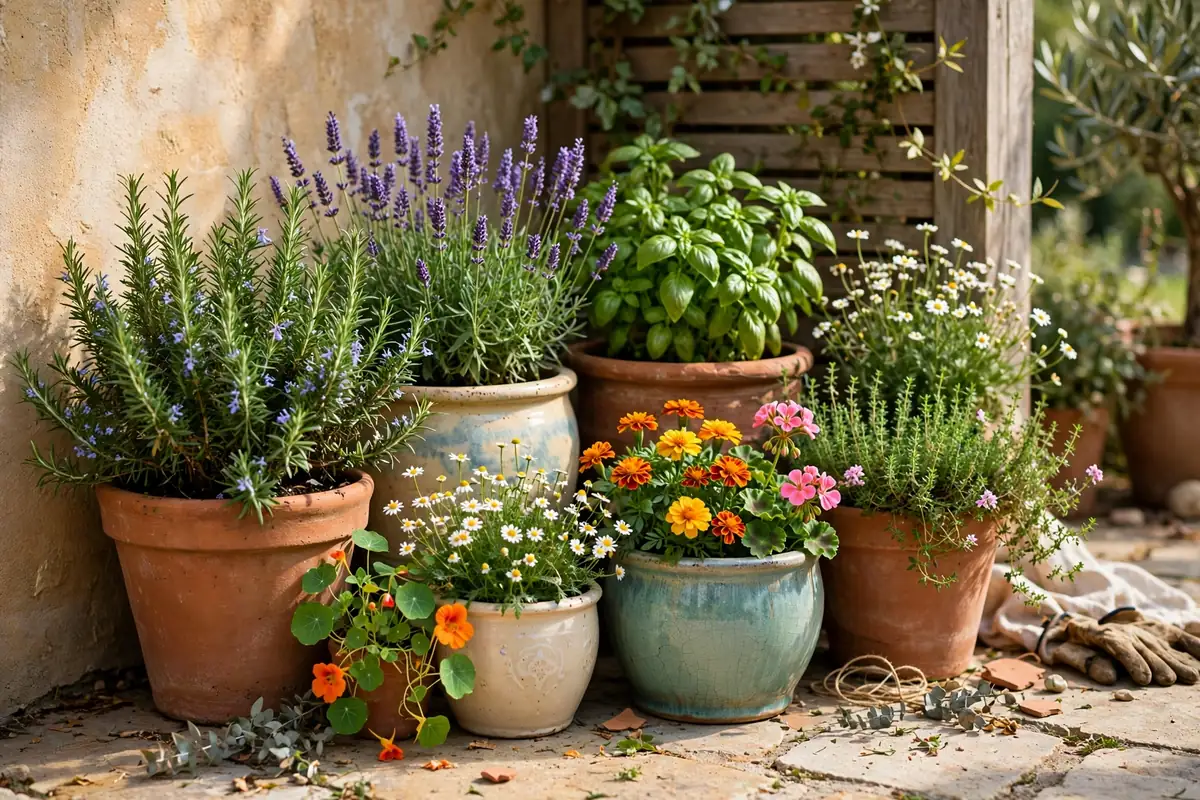
Scattered pots dry out at different rates and turn watering into a treasure hunt. Grouping containers together solves this elegantly: clustered pots shade one another, raise local humidity, and can share a single drip line or one pass with the watering can. Big pots are the real secret, since large volumes of soil hold moisture far longer than small ones, so trade many little pots for a few generous ones. Place the group where you naturally linger, beside the back door or patio seating, turning a shady cluster into a miniature garden reading nook worthy of the corners in cozy reading nook ideas. Choose drought-tolerant herbs and grasses and the whole display nearly waters itself.
13. Create Xeriscaping Zones
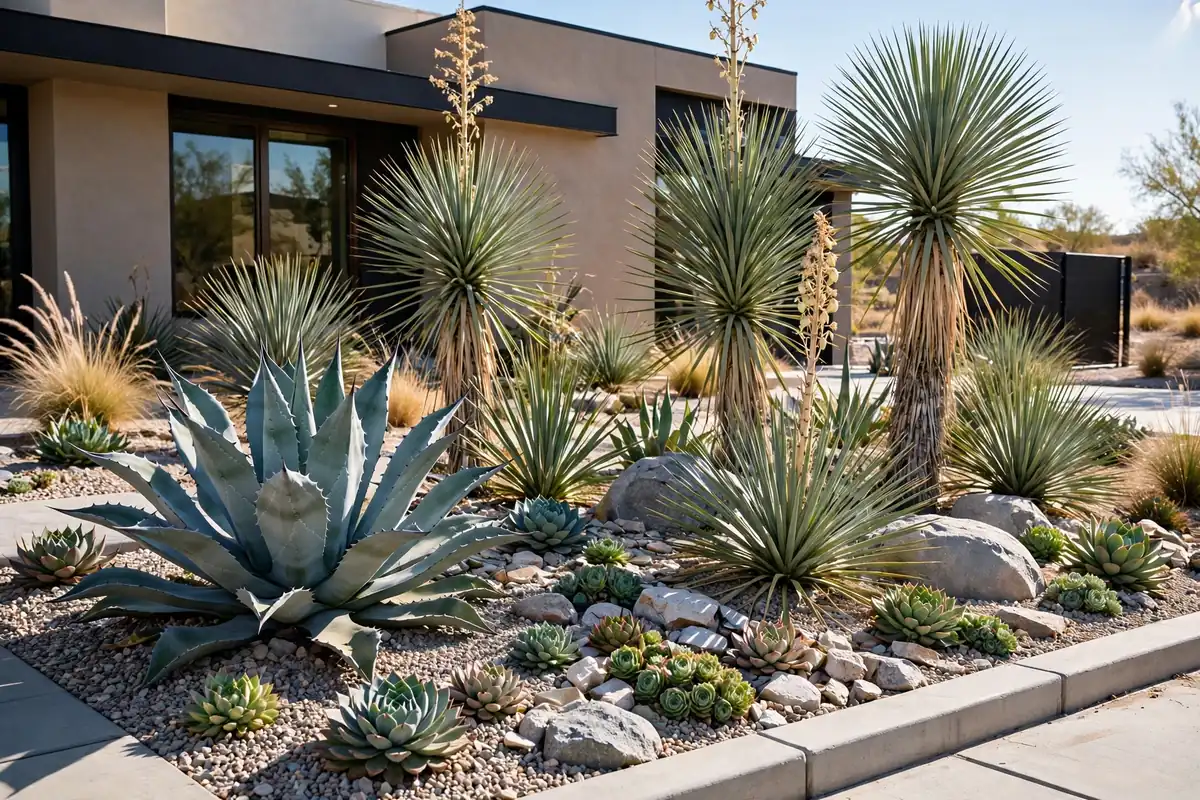
Xeriscaping simply means organizing the garden by thirst. Put the few genuinely water-hungry plants in one small zone near the house, where you will actually enjoy them and can water efficiently, then let the outer zones run on rainfall alone. This zoning idea, sometimes called hydrozoning, is how dry-climate cities keep streets green on strict water budgets. Mediterranean herbs, agaves, yuccas, and ornamental grasses anchor the dry zones and look deliberately stylish rather than deprived. Most yards discover that only a tiny fraction of their planting truly needs regular irrigation; the rest was being watered purely out of habit.
14. Pick Low-Water Lawn Alternatives
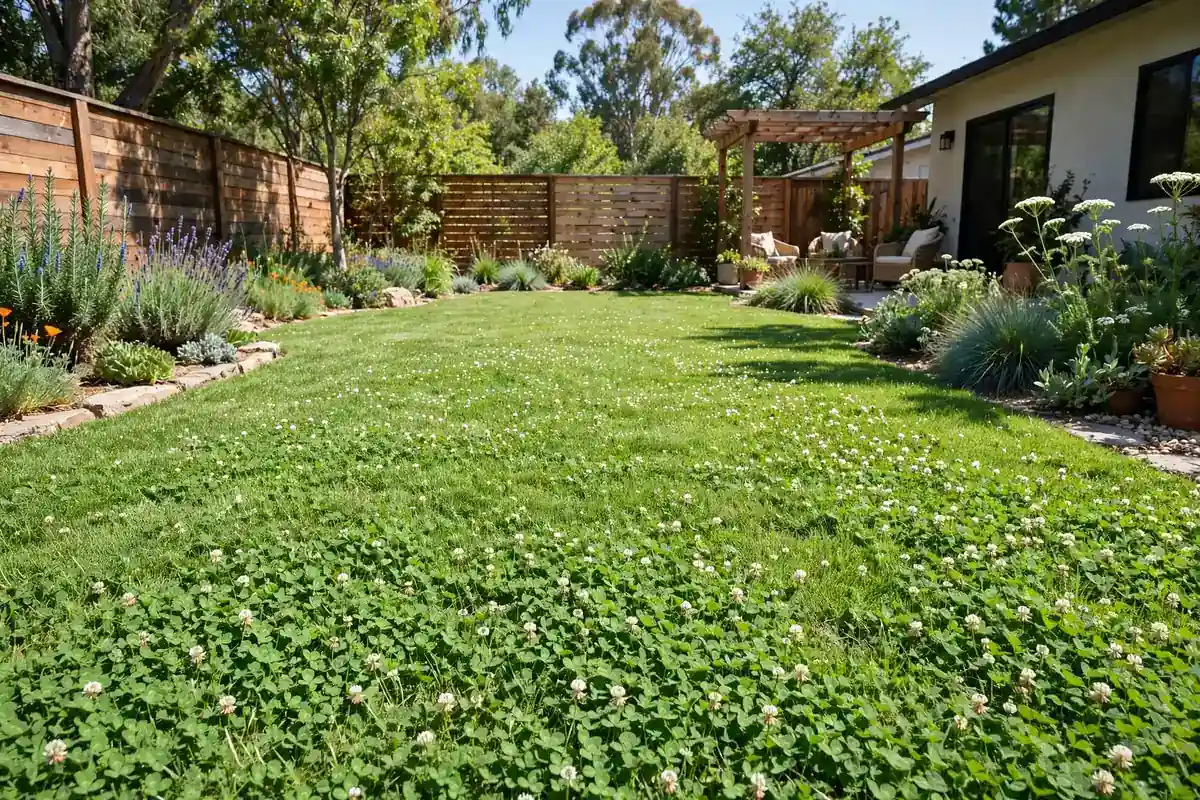
If you still want a lawn for kids and dogs, modern alternatives need a fraction of the water and mowing of a traditional one. Buffalo grass and fine fescue blends stay green on rainfall alone in many regions and grow slowly enough to mow monthly rather than weekly. Micro-clover lawns are another favorite for 2027: they stay lush, feed themselves nitrogen, tolerate foot traffic, and shrug off pet spots that scorch ordinary grass. Overseed an existing lawn gradually rather than stripping it all at once, and raise the mower height; taller grass shades its own roots, holds moisture longer, and crowds out weeds naturally.
Frequently Asked Questions
How much water does a low-maintenance garden actually save? Between drip irrigation, mulch, and right-sized lawn areas, most households cut outdoor water use by thirty to fifty percent in the first year, with xeriscaped zones using up to seventy percent less than conventional beds.
When is the best time to start converting my garden? Autumn is ideal because roots establish over the cool months with little watering, but spring works well too. Convert one zone at a time so the workload, and the nursery bill, stays manageable.
Will a low-maintenance garden look sparse or untidy? Not at all. Dense perennial planting, crisp hardscaping edges, and layered textures look lush and intentional; the savings come from plant choice and watering method, not from giving up on fullness or color.
The Bottom Line
Low-maintenance gardening is not about lowering your standards; it is about moving the effort up front, into design decisions you make once. Drought-tolerant and native planting, deep mulch, drip lines with smart control, and a smaller, smarter lawn will keep paying you back every week. Start with the idea that fixes your biggest chore, enjoy the hours it hands back to you, and let the garden grow easier from there.