17 Things You Don’t Really Need in Your Closet
Your closet is some of the most expensive square footage in your home — and right now, a chunk of it is probably storing things you’ll never wear again. Every hanger holding a dead item is space stolen from the clothes you actually love. As we head into 2026, the smartest home upgrade isn’t something you buy. It’s the space you reclaim.
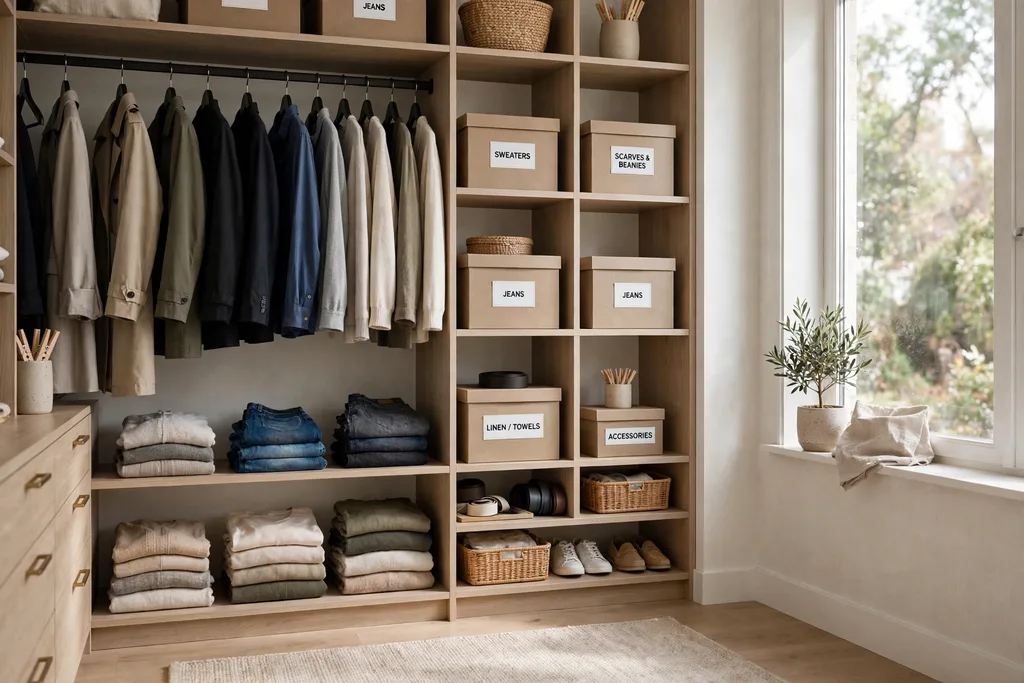
This isn’t about minimalism guilt or throwing everything away. It’s a practical audit: 17 specific things sitting in closets right now that serve no purpose except taking up room. Go through them one by one, be honest, and watch your mornings get easier.
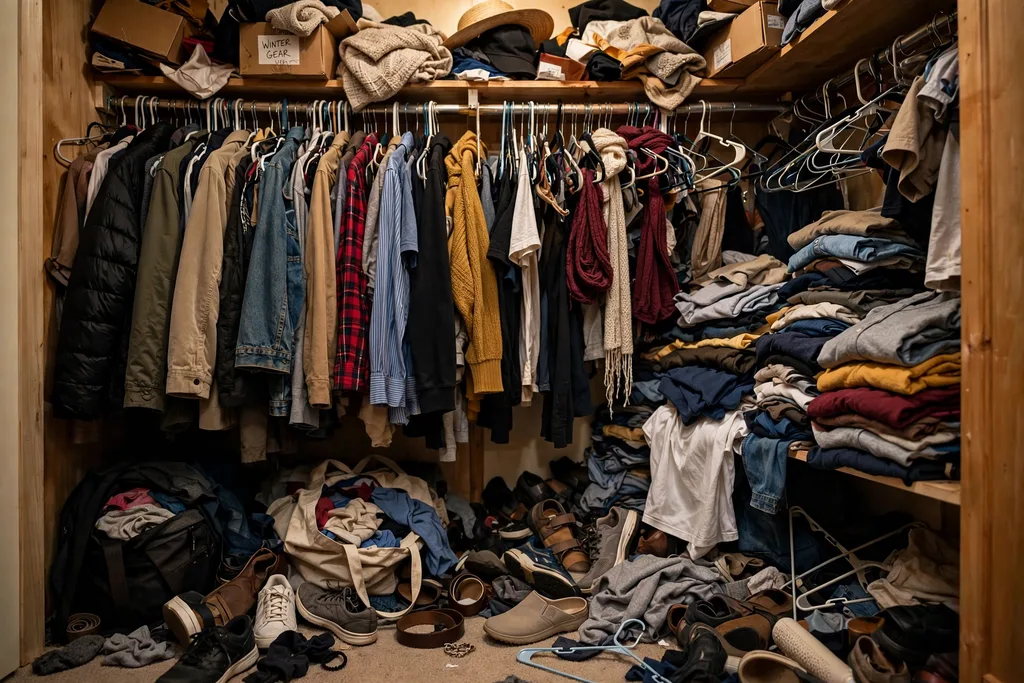
Before You Start: The Two-Bag Rule
Grab two bags — one for donations, one for trash or recycling. Work shelf by shelf instead of pulling everything out at once (the “empty the whole closet” method ends with most people giving up surrounded by a mountain of clothes). If you haven’t touched something in a full year and it isn’t a genuine heirloom, it goes in a bag. No negotiating with yourself.
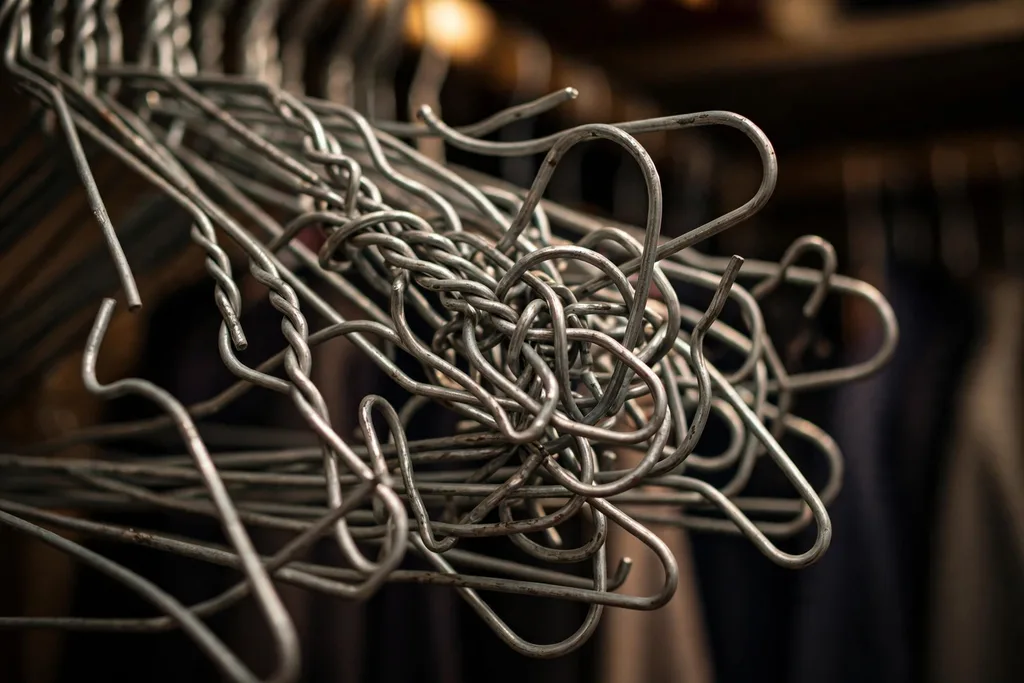
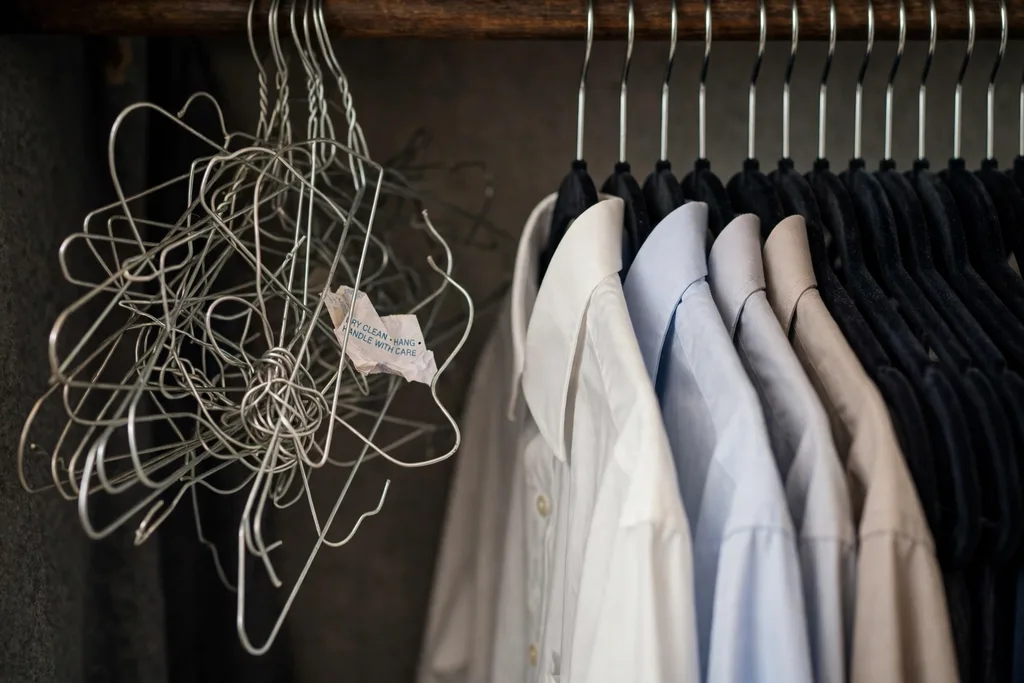
1. Wire Dry-Cleaner Hangers
Those flimsy wire hangers multiply every time you pick up dry cleaning, and they’re quietly ruining your clothes — stretching out shoulders, leaving rust marks, and collapsing under anything heavier than a t-shirt. Do this instead: recycle the whole bundle (most dry cleaners take them back) and switch to slim velvet hangers. They grip clothes, save inches of rod space, and cost very little for a big visual upgrade.
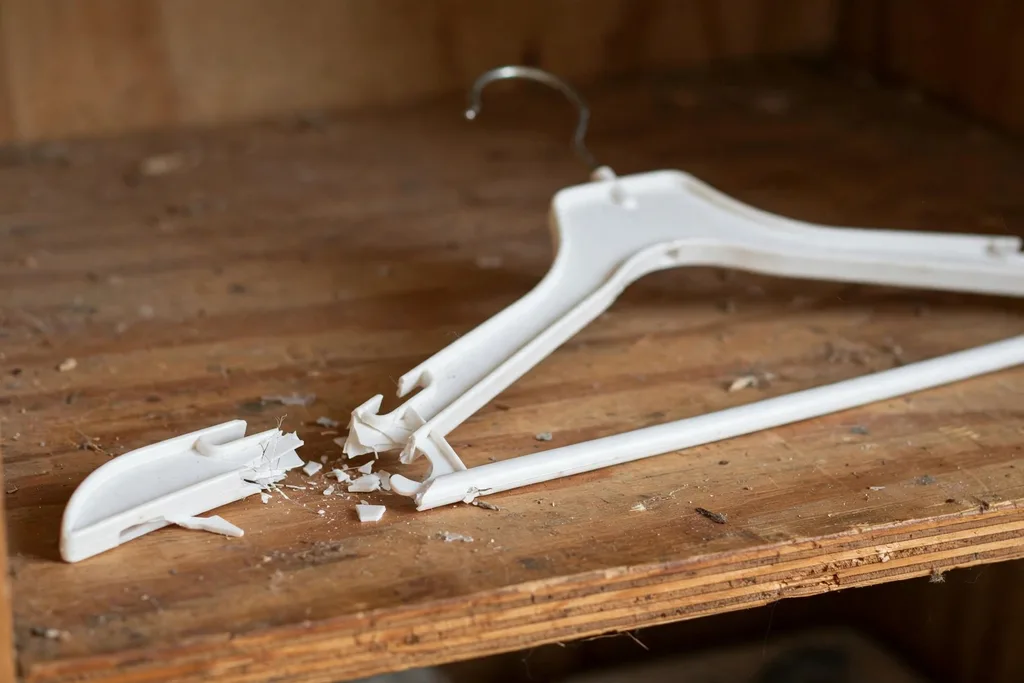
2. Cracked and Broken Hangers
The plastic hanger with one arm snapped off. The wooden one with the missing hook. The clip hanger with a single clip. Broken hangers don’t just look messy — they let clothes slide into crumpled piles at the bottom of the closet. Do this instead: toss every damaged hanger today. While you’re at it, standardize: one hanger type across the whole rod makes any closet look twice as organized.
3. Free Event T-Shirts
Marathon finisher tees, conference swag, company picnic shirts — the free t-shirt drawer is where good intentions go to pile up. If you wouldn’t pay even a dollar for it, you don’t need to store it. Do this instead: keep the one or two you genuinely wear for workouts or sleeping, and donate the rest. Event tees in good condition are always welcome at shelters.

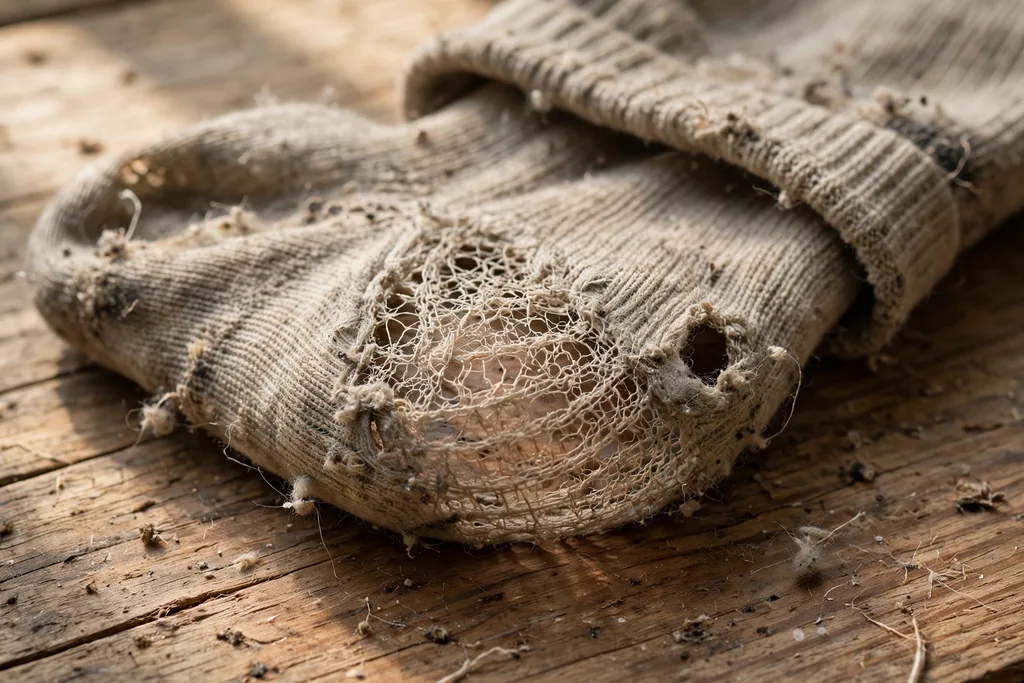
4. Socks Worn Thin at the Heel
Not mismatched — just worn out. Socks with see-through heels or thinning toes have given you all they had. They bunch up in shoes, feel terrible, and somehow always end up back in the drawer after laundry day. Do this instead: throw them out without ceremony. Then buy one bulk pack of identical socks — when they’re all the same, sorting becomes a non-issue forever.
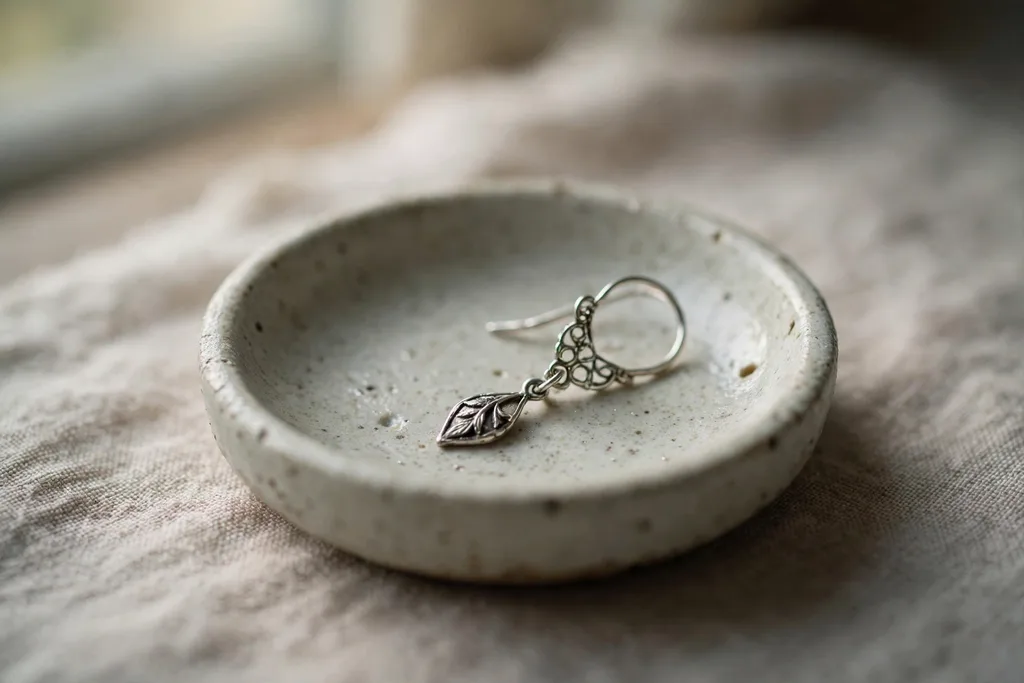
5. Single Earrings
Everyone has the little dish or pouch of earrings whose partners vanished into the void years ago. A single earring isn’t jewelry, it’s clutter with sentimental packaging. Do this instead: give yourself a one-week deadline to find the mate. If it doesn’t turn up, let it go — or repurpose a pretty single stud as a jacket lapel pin.
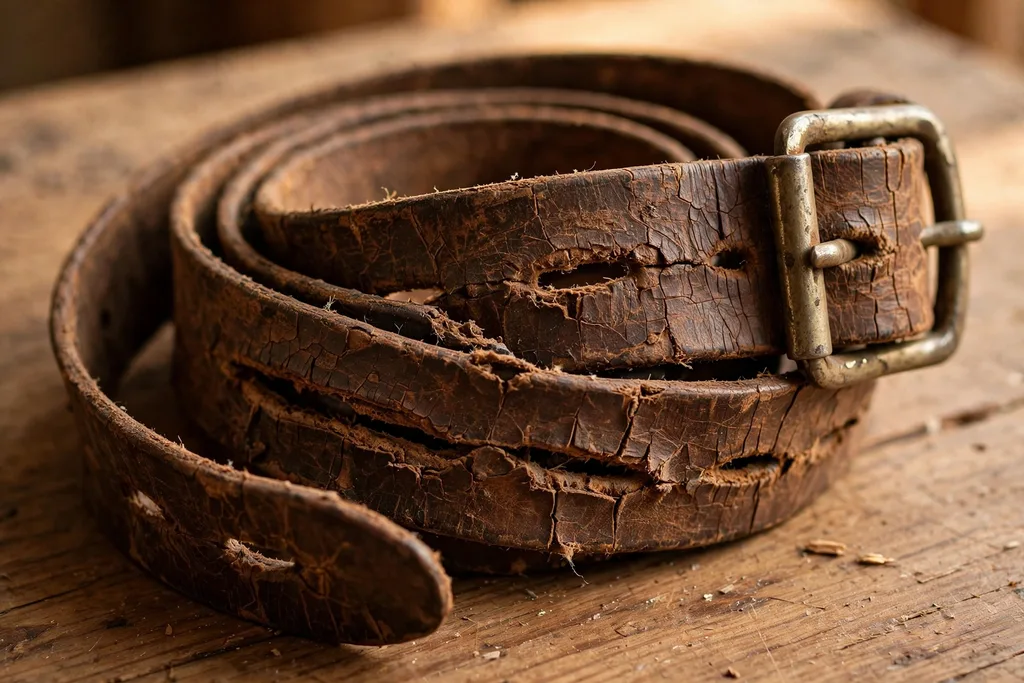
6. Belts With Stretched Holes and Cracked Leather
A belt that’s punched three extra holes, cracked along the fold, or flaking at the edges isn’t holding anything up well — and it drags down every outfit it touches. Do this instead: keep two good belts (one black, one brown) that actually fit your current waist, and retire the rest. A well-kept leather belt lasts years; a dying one lasts one more awkward season.
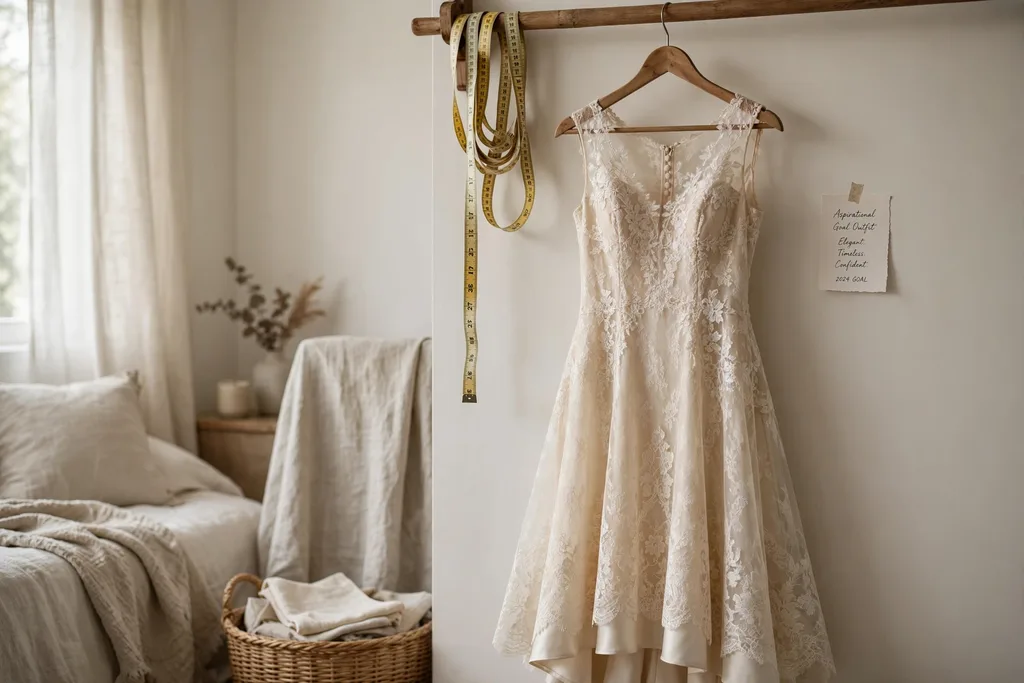
7. The “Goal Weight” Outfit
The dress or suit you’re keeping for the day you fit into it again isn’t motivation — it’s a monthly guilt delivery. Clothes should fit the body you have today, not the one you’re negotiating with. Do this instead: if you’re actively and measurably working toward a size change, keep exactly one goal piece. Store it out of sight, not on your daily rod. Everything else goes.
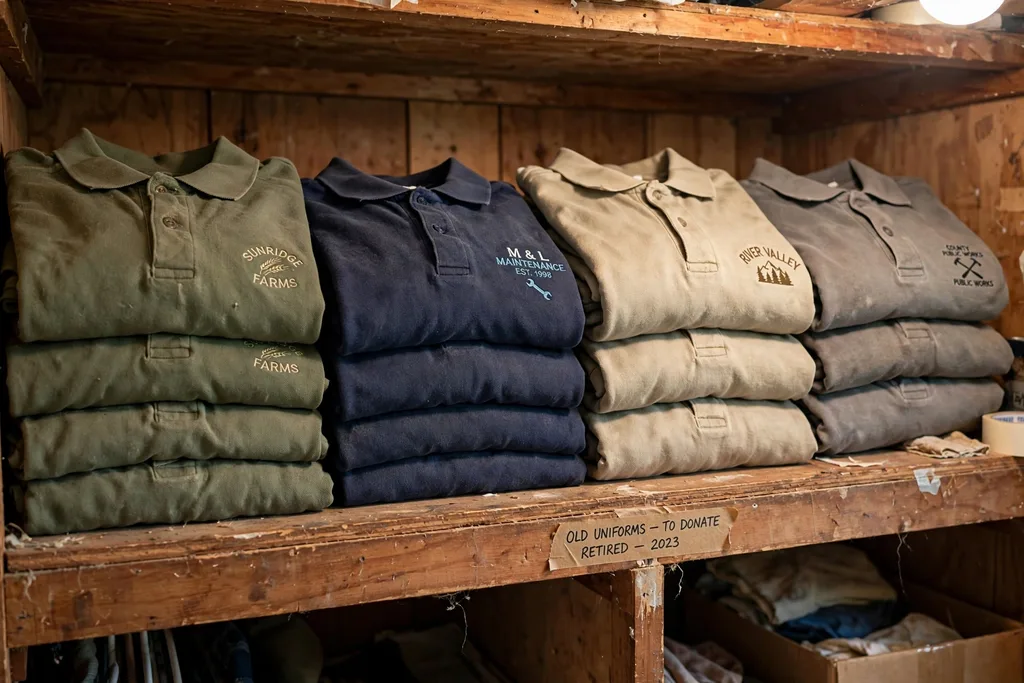
8. Old Employer Uniforms and Logo Shirts
The polo from the job you left three years ago. The branded jacket from a company that doesn’t exist anymore. Unless it’s genuinely useful workwear, it’s just taking up a hanger with someone else’s logo on it. Do this instead: donate usable pieces — work shirts and polos are practical donations. Keep one only if it’s your go-to for painting or yard work.
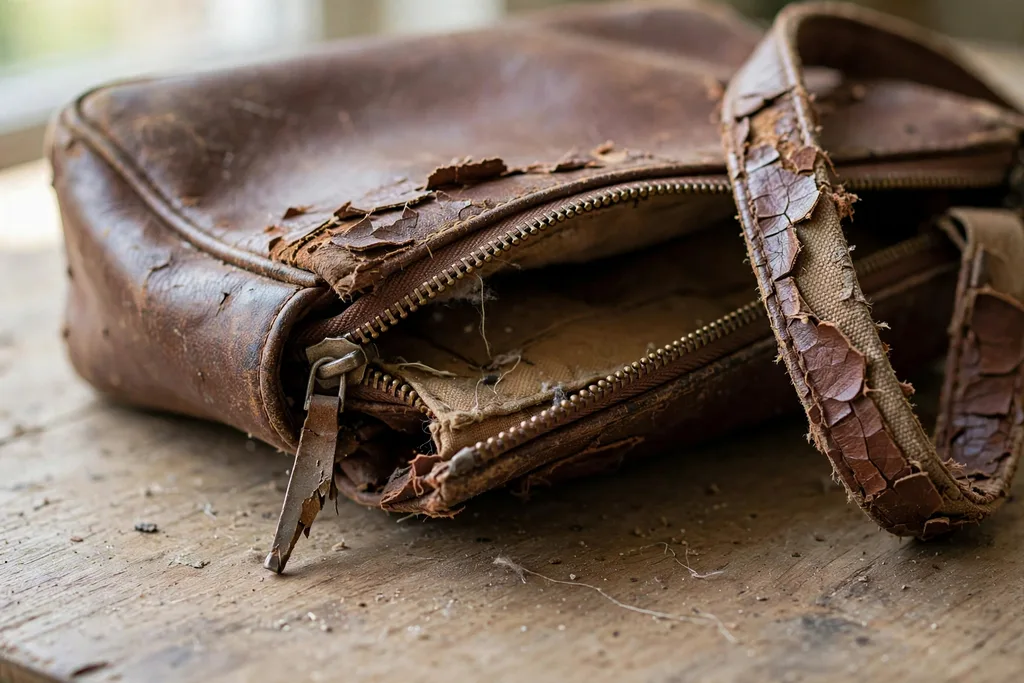
9. Handbags With Broken Zippers or Peeling Straps
A bag that won’t close, a strap that’s flaking faux leather onto your clothes, a clasp that gave up — these aren’t “vintage character,” they’re broken. And a damaged bag makes everything inside it harder to find. Do this instead: if a good cobbler can fix it for less than half the bag’s value, repair it this month or let it go. Keep the three or four bags you actually rotate through.
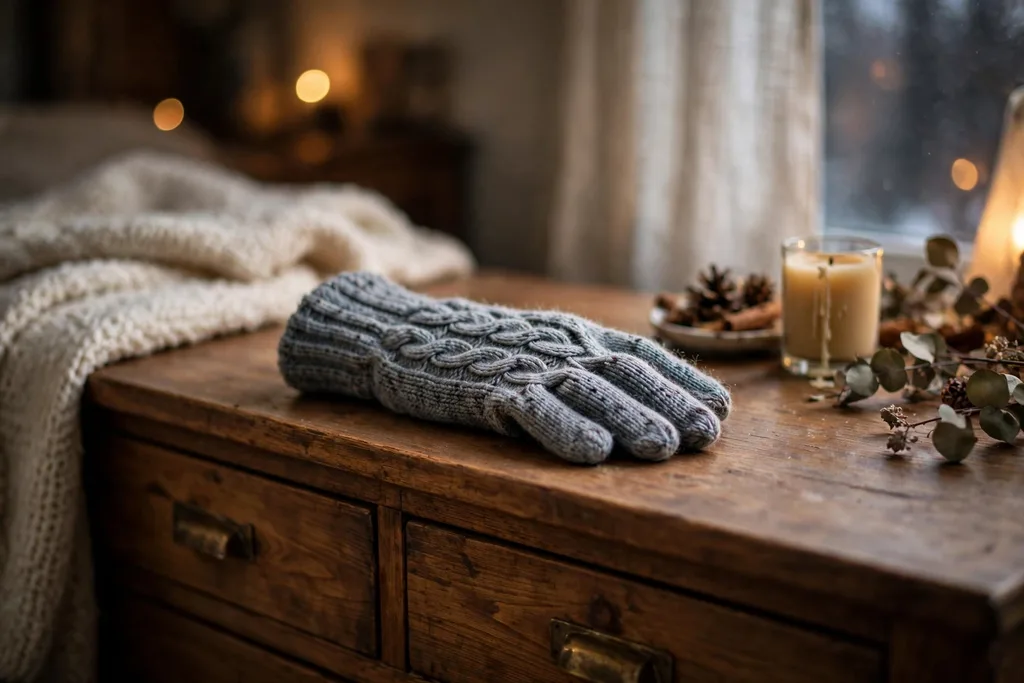
10. Lone Gloves and Mittens
The single glove whose partner disappeared two winters ago is not coming back. Winter accessories are cheap to replace and expensive to store badly — lone gloves tangle, collect dust, and never get worn. Do this instead: match up pairs now. Anything solo goes in the donation bag (someone can use a single warm glove) or the trash if it’s worn through.
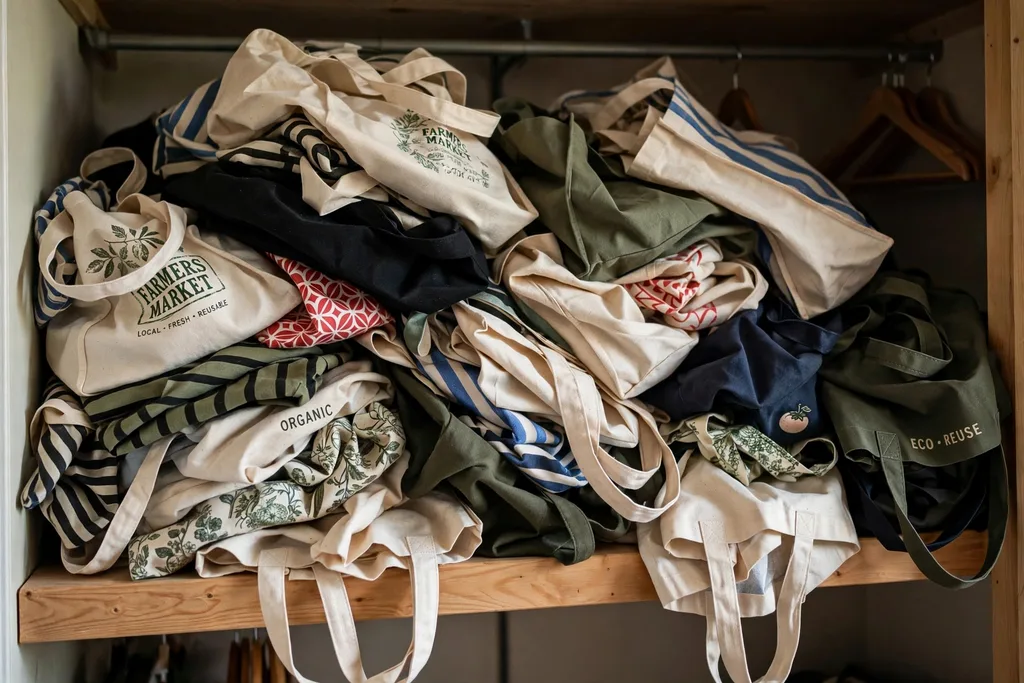
11. The Tote Bag Avalanche
Free canvas totes from every store, event, and subscription box reproduce in dark closets. You need maybe three: one for groceries, one for the car, one spare. The other twenty are just fabric taking up a shelf. Do this instead: keep your sturdiest three and donate the rest — food banks and libraries always need bags. Fold them flat so they stop colonizing. If you’re feeling artistic, try canvas painting ideas to turn an extra tote into wall art.
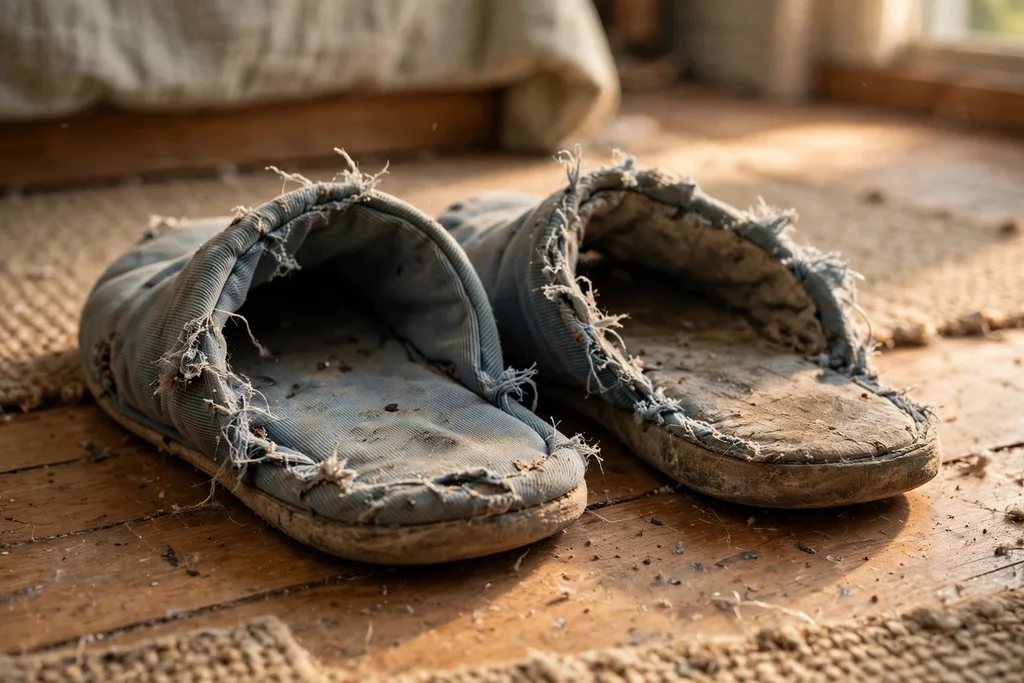
12. Slippers Worn Flat
House slippers with compressed soles, holes at the toes, or zero remaining support aren’t cozy anymore — they’re just habit. Worn-out slippers can even be bad for your feet and posture over time. Do this instead: replace them once a year. Good slippers are inexpensive, and the daily comfort upgrade is one you’ll actually feel.
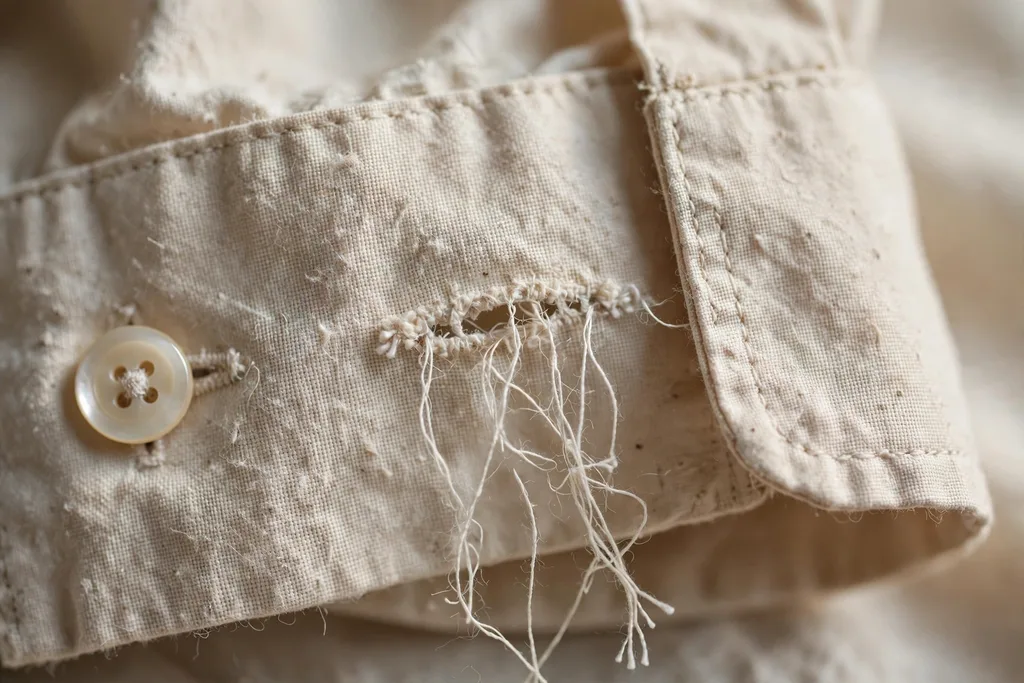
13. Clothes Missing Buttons You Never Sewed
The shirt missing a cuff button “you’ll fix this weekend” — for the third year running. If the repair hasn’t happened by now, it isn’t going to, and the garment is effectively unwearable. Do this instead: make a decision today: sew it this week or let it go. A small sewing kit by the closet turns future “someday” repairs into five-minute jobs.
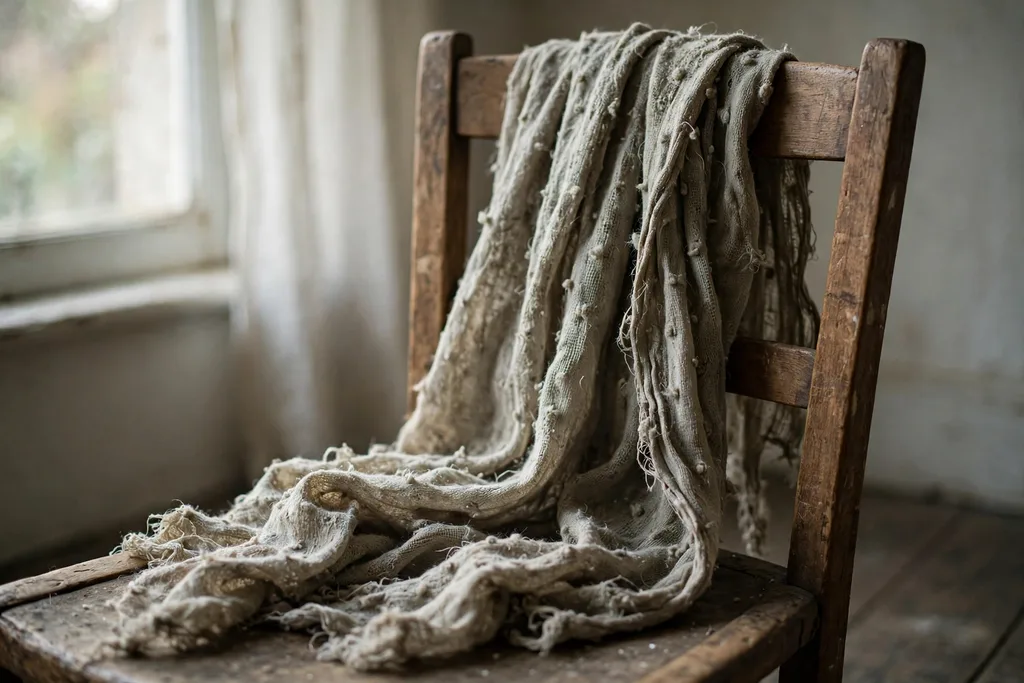
14. Scarves That Lost Their Shape and Color
The scarf that’s gone limp, pilled into a fuzzy mess, or faded to a color it never was — it’s not adding anything to an outfit. Accessories should earn their drawer space by making you look and feel good. Do this instead: keep the two or three scarves you actually reach for in cold months. A single quality wool scarf beats five tired acrylic ones.
15. Hotel Slippers and Amenity Kits From Trips
The drawer of wrapped hotel slippers, tiny shampoo bottles, and sewing kits “for travel” that never actually make it into a suitcase. Travel minis expire, slippers flatten in storage, and you can buy what you need per trip. Do this instead: pack one travel pouch with the essentials and stop hoarding the rest. Donate unopened toiletries to shelters — they’re genuinely useful there.

16. Paper Clutter in the Drawers
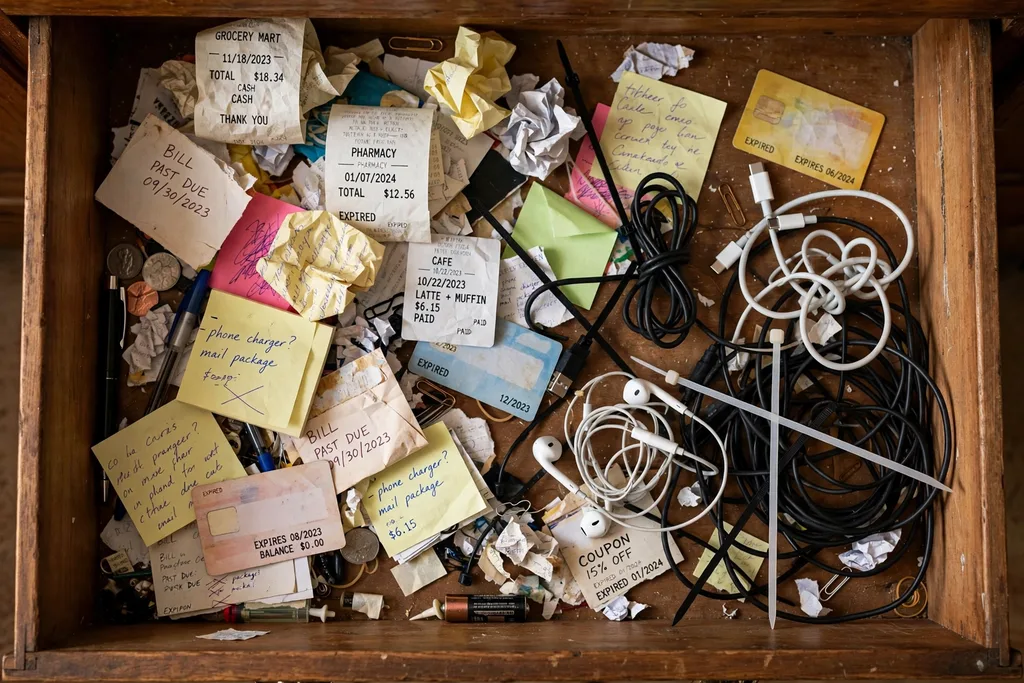
Expired gift cards, dead store coupons, old receipts, dried-out pens, tangled phone chargers from 2019 — dresser and closet drawers quietly become junk drawers. This paper clutter makes it harder to find what you need and makes drawers stick and overflow. Do this instead: empty each drawer completely, toss the paper, test the gift card balances online (spend or discard), and put back only what belongs. Drawer dividers keep it from happening again.
17. Anything You Keep Out of Guilt
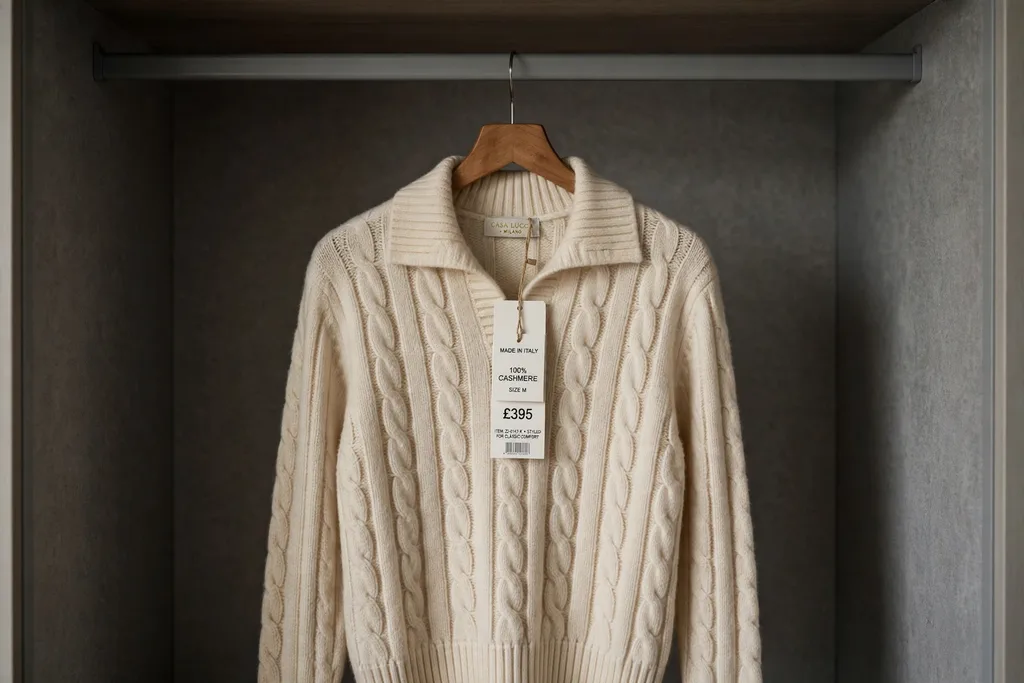
The expensive sweater you never liked. The gift from a relative you’d never choose yourself. The “investment piece” that was a mistake. Guilt is the worst reason to give something closet space — every time you see it, you feel bad instead of getting dressed. Do this instead: thank it for the lesson and let it go. Donate it so someone who’ll actually love it gets the win. Your closet should be full of things you’re happy to see.
After the Purge: Making the Closet Work Harder
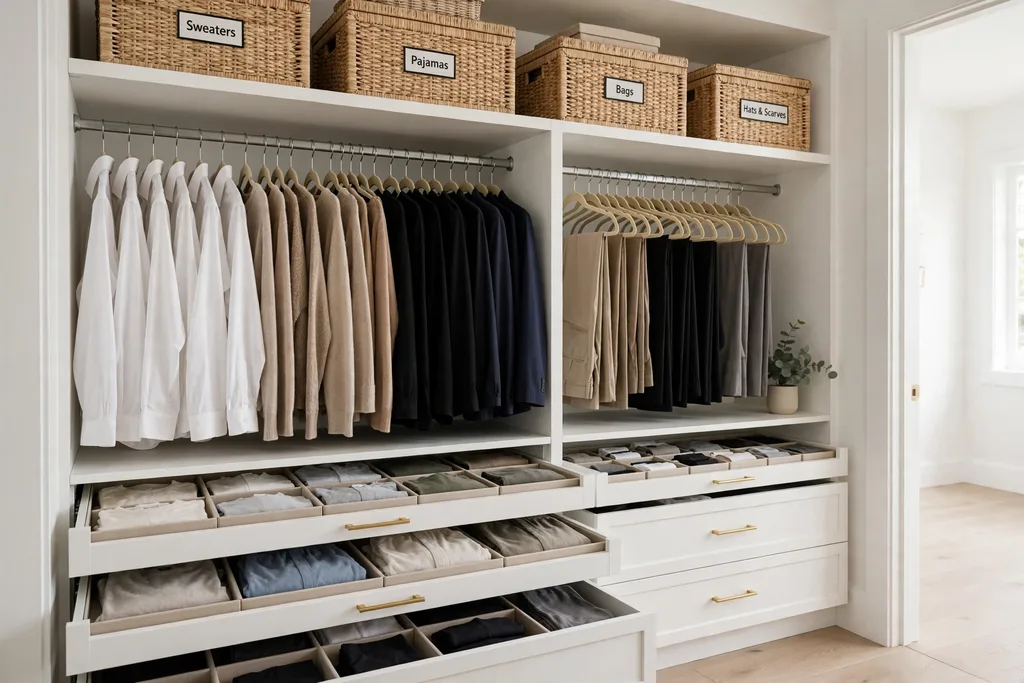
Once the dead weight is gone, a few small moves make the space feel brand new. Group what’s left by category (all shirts together, all pants together) so you can see everything at a glance. Move the rod up or add a second lower rod to double hanging space. And don’t underestimate lighting — a dark closet hides half your wardrobe; good lighting makes even a small closet feel bigger and more boutique-like. If you’re refreshing the room around it too, our guide to modern ceiling decoration ideas has lighting-friendly ideas that work beautifully in bedrooms for 2026–2027. Pair it with room color schemes that make the space feel even larger.
Where Should It All Go?
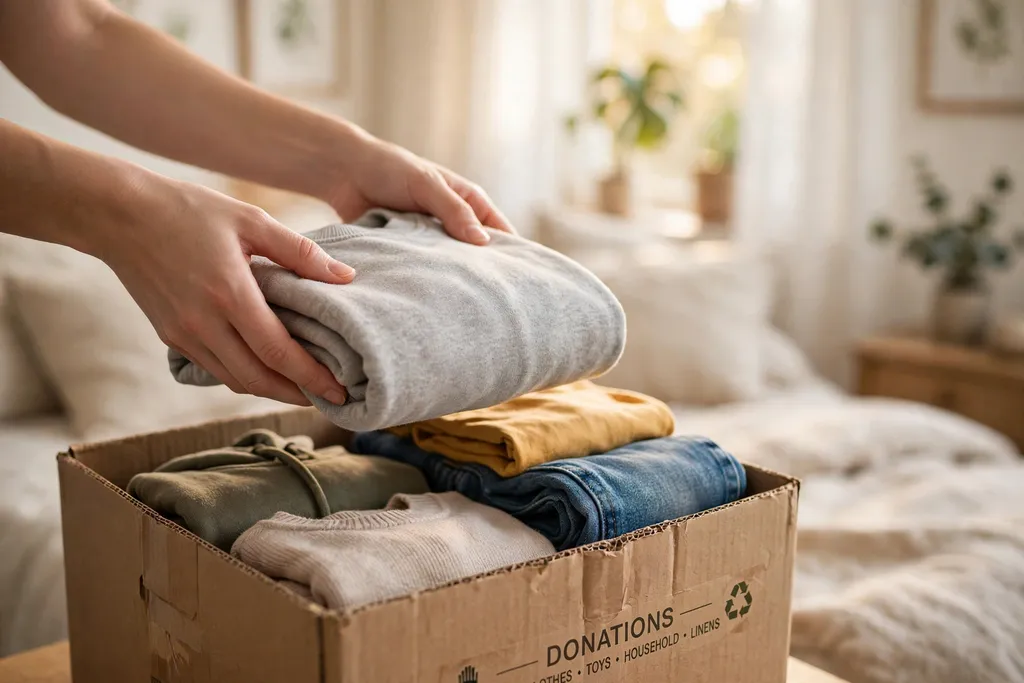
Don’t just bag it and forget it — the exit route matters:
- Donate: Gently used clothes, shoes, bags, and linens go to local charities, shelters, or thrift stores. Many offer free pickup for large bags.
- Sell: Good-condition brands and handbags do well on resale apps. Photograph in daylight, price fairly, and move them within two weeks or donate.
- Recycle: Worn-out textiles (stained, torn, threadbare) shouldn’t go to thrift stores — look for textile recycling drop-offs, which turn them into insulation and rags.
- Repurpose: Soft cotton tees make excellent cleaning cloths; sturdy tote bags organize car trunks and craft supplies.
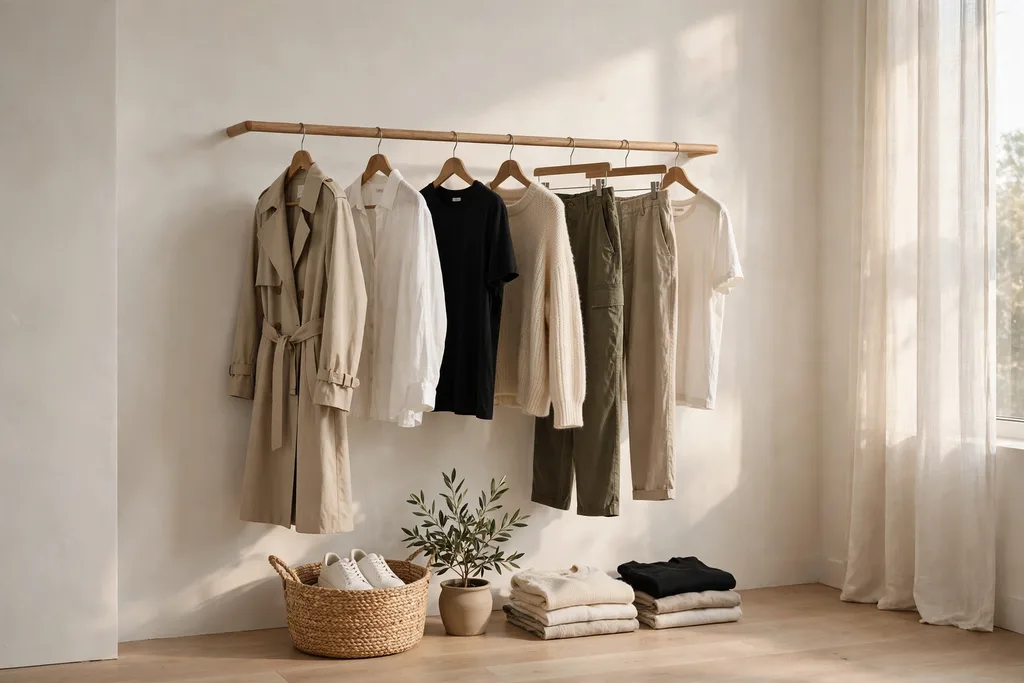
A Closet That Works for You
Clearing these 17 things won’t just free up hangers — it changes how your whole bedroom feels. Getting dressed stops being a negotiation with clutter and starts being the easy part of your morning. Start with the easiest wins (the wire hangers, the lone gloves), build momentum, and enjoy the extra breathing room. In 2026, the best-dressed closet isn’t the fullest one — it’s the one where everything inside earns its place. Pair your streamlined closet with vintage grandma bedroom decor for a warm, nostalgic retreat.